
Table of Contents
Drones have soared in popularity over the last decade, but when you hear “drone,” you might picture expensive, professional-grade aerial cameras. However, there’s a huge, exciting world of toy drones that offers all the fun of flying without breaking the bank or requiring a pilot’s license!
So, what exactly is a toy drone? Let’s break it down.
More Than Just a Toy: A Gateway to Flight
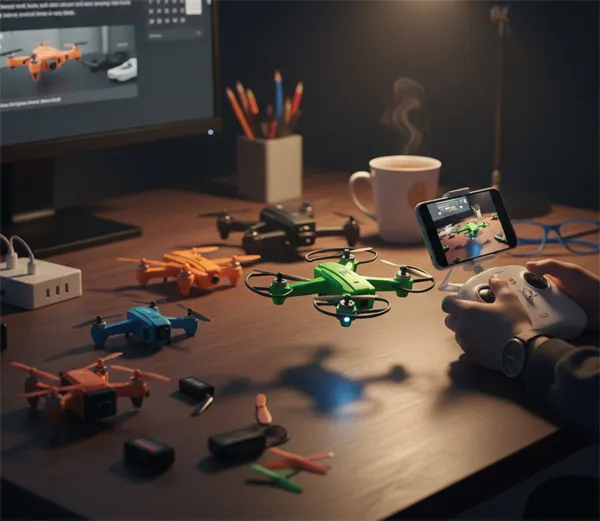
A toy drone is essentially a miniature unmanned aerial vehicle (UAV) designed for recreational use, often with a focus on ease of use, durability, and affordability. They are typically smaller, lighter, and less complex than their professional counterparts, making them perfect for beginners, kids, and anyone looking for a fun new hobby.
Key Characteristics of Toy Drones:
- Size & Weight: Usually small enough to fit in the palm of your hand, and lightweight enough that they don’t require FAA registration in many countries (always check local regulations!).
- Ease of Use: Designed with simplicity in mind. Many feature “one-key takeoff/landing,” “headless mode” (which simplifies orientation), and altitude hold for stable hovering.
- Durability: Built to withstand crashes! They often come with propeller guards and flexible frames to absorb impacts, which is great news for beginners.
- Affordability: You can find decent toy drones for as little as $20-$100, making them an accessible entry point into the drone world.
- Features: While basic, many offer surprising features like built-in cameras (for FPV – First Person View), stunt modes (flips and rolls), and multiple speed settings.
Who Are Toy Drones For?
- Kids and Teenagers: An excellent way to introduce them to STEM concepts (Science, Technology, Engineering, Math) and develop hand-eye coordination.
- Beginners: If you’re curious about drones but intimidated by the cost or complexity of larger models, a toy drone is the perfect starting point.
- Indoor Flying: Their small size makes them ideal for flying indoors, especially during bad weather.
- Hobbyists: Even experienced drone pilots use toy drones for quick, fun flights or to practice advanced maneuvers without risking their expensive gear.
What to Look for When Buying a Toy Drone
- Battery Life: Expect 5-10 minutes of flight time. Consider buying extra batteries!
- Controller: Is it comfortable to hold? Does it have clear controls?
- Camera (Optional): If you want to capture photos or videos, check the resolution. Don’t expect professional quality, but some are decent for fun.
- Durability: Look for propeller guards and robust materials.
- Features: “Altitude Hold” and “Headless Mode” are highly recommended for beginners.
- Brand Reputation: Brands like Syma, Ryze (Tello), Holy Stone, and Potensic are popular in the toy drone market.
In conclusion, a toy drone is an exciting, accessible, and fun gadget that can open up the skies for anyone. It’s not just a passing fad; it’s an engaging way to experience the joy of flight, learn new skills, and potentially spark a lifelong interest in aviation or technology.