Table of Contents
For generations, wooden blocks have been a staple in playrooms around the world. These simple, tactile toys possess an enduring charm that transcends trends. But are they the perfect toy? While they offer a wealth of benefits, wooden blocks also come with a few drawbacks. In this post, we’ll explore the pros and cons of this classic toy to help you decide if they’re the right fit for your child.
The Enduring Popularity of Wooden Blocks
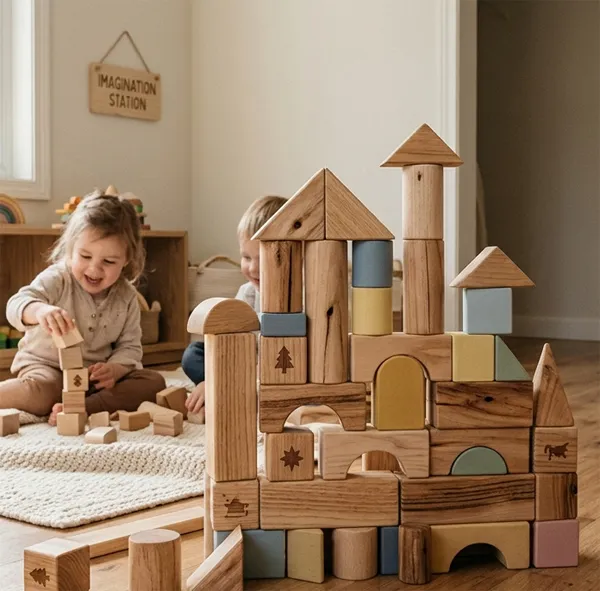
It’s no surprise that wooden blocks have stood the test of time. Their very simplicity is a key factor in their appeal. Unlike electronic toys with flashing lights and predetermined sounds, wooden blocks are open-ended, meaning they don’t have a single, fixed purpose. This open-ended nature invites children to use their imagination and creativity, turning the blocks into whatever they can dream up – from towering skyscrapers to intricate castles, bustling cities, or even spaceships.
Furthermore, the natural warmth and texture of wood offer a pleasing sensory experience that synthetic materials often lack. The weight and solidity of the blocks make them satisfying to handle and stack, contributing to a child’s understanding of balance, gravity, and spatial relationships.
The Advantages of Wooden Blocks
The benefits of wooden blocks extend far beyond simple entertainment. Here are some of the key advantages they offer:
- Open-Ended Play: As mentioned earlier, wooden blocks are a prime example of an open-ended toy. They empower children to become active creators rather than passive observers. This fosters imagination, problem-solving skills, and the ability to think outside the box. A child can build a bridge one day, a dinosaur the next, and a spaceship the day after that, all using the same set of blocks.
- Durability and Longevity: Wooden blocks are incredibly sturdy and can withstand years of enthusiastic play. Unlike plastic toys that can crack or break easily, quality wooden blocks are built to last. They can be passed down through siblings or even generations, making them a sustainable and cost-effective investment in the long run.
- Development of Fine Motor Skills: Grasping, stacking, and balancing blocks require precise hand-eye coordination and fine motor control. These actions help to strengthen the muscles in a child’s hands and fingers, which are crucial for later tasks like writing, drawing, and manipulating small objects.
- Cognitive Development: Block play is inherent with opportunities for learning. Children learn about concepts such as cause and effect (if I stack them too high, they’ll fall), gravity, balance, symmetry, and spatial relationships. They also develop early math skills like counting, sorting, and understanding shapes.
- Safe and Non-Toxic: High-quality wooden blocks, especially those made from natural, untreated wood or finished with non-toxic, water-based paints, are generally safer for children than plastic toys. They are less likely to contain harmful chemicals like BPA, phthalates, or lead.
The Disadvantages of Wooden Blocks
While wooden blocks offer numerous benefits, they are not without their potential downsides. Here are a few things to consider:
- Higher Cost: Quality wooden blocks are often more expensive upfront than their plastic counterparts. This is due to the cost of raw materials and the craftsmanship involved in their production. However, their durability and longevity can make them a more economical choice in the long run.
- Noise Level: A characteristic feature of wooden blocks is the satisfying clatter they make when they fall. While some might find this sound charming, others may find it noisy, especially during quiet times or in shared spaces. A large tower of blocks tumbling down can be quite loud.
- Weight: Wooden blocks can be relatively heavy, particularly large sets. This can make them less portable and potentially more difficult for very young children to manage. It’s also worth noting that a sturdy wooden block can cause more pain if it’s dropped on a foot or thrown.
- Maintenance: Depending on the finish, wooden blocks may require some maintenance to keep them clean and prevent splintering. Unfinished wood can absorb liquids, so spills need to be wiped up quickly. While less common with modern finishes, older or cheaper wooden toys can sometimes develop splinters, which pose a minor safety risk.
- Less Variety in Form: Compared to plastic building sets like LEGO, wooden blocks offer less variety in terms of interlocking mechanisms, specialized pieces, and vibrant colors. While this encourages imaginative play, some children might prefer the intricate, pre-designed structures that other building toys offer.
Making the Right Choice for Your Child
Ultimately, the decision of whether to invest in wooden blocks depends on your child’s age, interests, and your family’s preferences. Their durability, educational value, and potential for imaginative play make them a fantastic choice for most children. While they have a higher initial cost and can be noisy, the benefits they offer in terms of holistic development often outweigh the drawbacks.
If you decide to purchase wooden blocks, look for sets made from sustainably sourced, solid wood with non-toxic finishes. Consider the size and weight of the blocks in relation to your child’s age and fine motor abilities. A classic set of unit blocks is a versatile option that can grow with your child, while smaller, colored blocks might be more appealing to toddlers.
Wooden blocks are more than just a toy; they are an investment in your child’s creativity, cognitive development, and fine motor skills. Despite a few minor drawbacks, their timeless appeal and profound educational benefits ensure their place as a beloved playroom essential for generations to come.