
Table of Contents
Here’s a blog-style roundup of top STEM robot recommendations for children in 2025 — which kits are hot right now, for different ages and skill levels, and what kinds of learning they encourage. I also include actual product picks (with a focus on accessibility, coding, creativity, and durability) to make it easy if you want to buy them.
🎯 Why STEM Robots Matter for Kids (Especially in 2025)
- STEM robots combine hands-on building, coding, and play — so children learn engineering, logic, and computational thinking while having fun. As LEGO notes: the process of building, sometimes failing, then trying again builds curiosity, resilience, creativity, and collaboration.
- Today’s robots often support block-based coding (drag-and-drop) and text-based coding (Python, JavaScript, etc.), meaning they grow with the child as their skills improve.
- Robots also bring real-world physics, sensors, and feedback into learning — giving kids a tangible sense of cause and effect, problem-solving, and even early robotics/engineering thinking.
📚 For Younger Kids & Beginners (Ages ~5–9)
- Robolink Zumi Easy DIY AI Coding Car Robot Kit — A friendly, easy-to-assemble robot car that introduces kids to basic coding and logic. Good for first-time robotics experience.
- Sillbird STEM 12-in-1 Solar Robot Kit — Budget-friendly and solar-powered, this kit encourages understanding of energy, mechanics, and basic engineering. Great for exploring renewable energy, gears, and simple robot builds without requiring batteries.
🤖 For Intermediate Kids (Ages ~8–12) — Building + Coding + Creativity
- UBTECH JIMU Robot Builderbots Series Overdrive Kit — A more advanced modular robot kit: kids build, program, and control robots, getting exposure to sensors, movement programming, and robotics logic.
- JIMU Robot Mythical Series FireBot Kit — Combines construction play with coding, letting children build imaginative robots (e.g. fantasy-style bots) and control them — great for children who like both creativity and technology.
- Yahboom Robotics DIY Coding Car Kit for Microbit — A coding-car kit that uses microcontrollers, giving kids experience with basic electronics and programming logic in a fun vehicle form.
🎓 For Older Kids / Budding Engineers (Ages ~10–15+)
- Edison Robot V2 Programmable STEM Kit — A more advanced programmable robot kit good for kids ready to learn deeper coding, electronics, and robotics structure. Great for bridging toy robots to more serious STEM projects.
- ClicBot Coding Robot Kit for Kids — A robust, expandable robot kit for kids who want serious tinkering: good for those aiming to go beyond simple movement to modular builds and customised coding.
- ROBOTIS DREAMS II Level 5 Kit — A high-level kit suited for children who enjoy challenge: ideal for those interested in robotics as a hobby (or even potential future career), teaching advanced robotics concepts and programming.
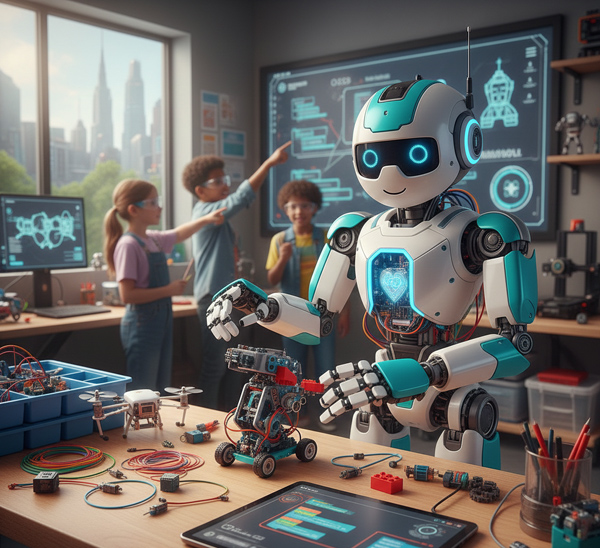
🧑🏫 Which Robot Fits Your Child — Matching Age, Interest, & Goals
| Child’s Age/Stage | Recommended Robot Type | Why It Works |
|---|---|---|
| Preschool / Age 5–6, curious about cause & effect (simple control) | Robolink Zumi, Sillbird 12-in-1 | Simple build, limited complexity — easy and rewarding for a first robot experience. |
| Elementary (8–10), curious about building, movement, basic sensors | JIMU Builderbots, JIMU FireBot, Yahboom Coding Car | Combines construction and coding, giving a sense of building something that moves and reacts. |
| Pre-teens (10–12), enjoys programming, tinkering, wants challenge | Edison V2, ClicBot, ROBOTIS Dreams II | Offers deeper programming, modular builds, and a path toward real robotics or coding skills. |
✨ As kids grow, robots that support both block-based coding and text-based coding make the biggest difference — they let children gradually transition from visual logic to “real code.”
⚠️ What & Why to Be Careful — Tips for Parents
- Some kits aimed at younger kids sacrifice durability for ease. If the robot is too fragile, it might break quickly under rough play. (As some reviewers of basic kits point out.)
- For younger kids, proper adult supervision or a little help may still be needed — especially when assembling.
- Consider long-term value: kits that grow with the child (coding + modular expansions) tend to be more worthwhile than cheap, simple robots that get abandoned.
✅ My “STEM-Smart Parent” Recommendation
If I were a parent today and choosing one robot kit per child:
- For a 6–8 year-old: start with Sillbird 12-in-1 — affordable, solar-based, and easy to get into.
- For a 9–12 year-old: choose UBTECH JIMU Builderbots — it combines creativity, building, and coding, offering room to grow.
- For a 12+ year-old interested in deeper STEM: go for ClicBot or ROBOTIS DREAMS II — challenging, educational, and fun for long-term learning.