
Table of Contents
Are you ready to dive into the exciting world of LEGO collecting? Whether you’re a seasoned enthusiast or just starting, understanding what makes a LEGO set truly valuable, especially limited editions, can turn your hobby into a rewarding investment. This guide will walk you through the essentials of identifying those rare gems.
I. Understanding LEGO’s Value Factors
Not all LEGO sets are created equal in the collector’s market. Several key factors contribute to a set’s potential appreciation in value:
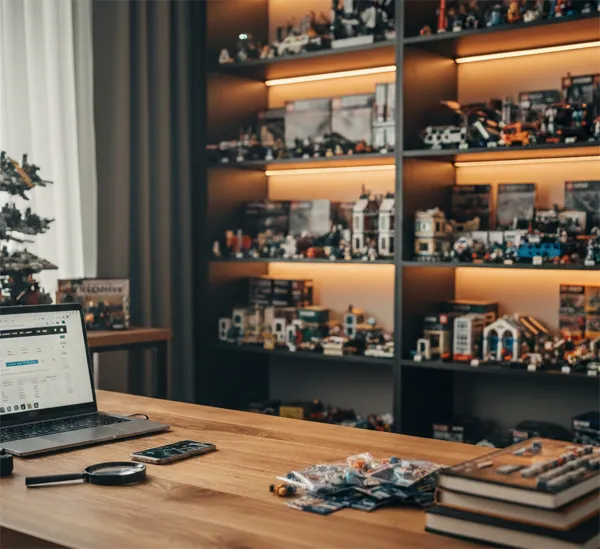
- Scarcity (Limited Edition/Exclusive): This is paramount. Sets produced in smaller quantities, store exclusives, or event-specific releases naturally become more valuable once they are no longer available.
- Popularity & Theme: Iconic themes like Star Wars, Modular Buildings, Creator Expert, or highly sought-after licensed sets often hold their value better.
- Condition (New In Box – NIB vs. Used): For serious collectors and investors, a sealed, pristine “New In Box” (NIB) set is king. Used sets can still be valuable, but their price will be significantly lower.
- Unique Minifigures: Some sets are prized almost solely for their exclusive or rare minifigures. These can sometimes be worth more than the set itself on the secondary market.
- Retirement Status: Once a set is officially “retired” by LEGO (no longer produced), its value typically begins to climb, especially if it was popular during its active production.
II. Identifying Limited and Exclusive Editions
Knowing where and how to find information about limited editions is crucial.
- “Exclusive” or “Limited Edition” Badges: Look for these labels directly on the LEGO box or product page. While not always a guarantee of high future value, they indicate a restricted release.
- LEGO Shop @Home Exclusives: Many valuable sets are only sold directly through LEGO’s official online store and physical LEGO Stores. These are often produced in smaller quantities than mass-market sets.
- Regional/Event Exclusives: Some sets are only released in specific countries or for special events (e.g., San Diego Comic-Con, LEGO Inside Tour). These are highly sought after.
- Promotional/Gift With Purchase (GWP) Sets: Smaller sets given away with a minimum spend are often produced in very limited numbers and can become quite valuable.
- Collector Websites & Databases: Websites like BrickLink, BrickSet, and LEGO’s official site are invaluable resources. They provide detailed information on production runs, release dates, and retirement status.
- BrickLink: Essential for checking current market prices and rarity.
- BrickSet: Great for tracking new releases, retired sets, and set details.
III. Tips for Smart Collecting
- Do Your Research: Before buying, especially from the secondary market, research the set’s history, production numbers, and current market value.
- Buy NIB (New In Box): If your goal is investment, always aim for sealed sets.
- Store Properly: Protect your NIB sets from dust, sunlight, and humidity. Keep boxes in pristine condition.
- Patience is Key: Values don’t typically skyrocket overnight. It’s often a long-term game.
- Collect What You Love: At the end of the day, LEGO is a hobby. Collect sets that bring you joy, regardless of their potential market value.